X

Getting Pregnant

Pregnancy

New Born

Toddler

Kids

By City

Collaborate With Us

12 Early Signs & Symptoms Of Pregnancy In 40 Days

Knock! Knock! Baby on board? So you know that the deed is done are you are yearning to know if you are pregnant. You may experience one or more of these symptoms that have been enlisted below. Some mothers may not experience any of these symptoms at all. Listen to your body, as it is one of the best way to indicate the coming of your bundle of joy. However, these are just indications. You can take the home pregnancy test or consult your doctor to confirm & announce your pregnancy. If the tests are positive, then, hurrah! Congratulations! Enjoy your motherhood! Read below to know the 12 Early Signs & Symptoms Of Pregnancy In 40 Days.

early-signs-of-pregnancy

Signs & Symptoms Of Pregnancy

Early Signs Of Pregnancy Discharge

What does pregnancy discharge look like? A woman’s cervical mucus discharge keeps altering throughout pregnancy and menstrual cycle. A thin & milky white substance called leukorrea is discharged – marking the fertilization of the egg. The quantity of cervical fluid increases with time and turns into the mucus plug which protects your baby from infections and breaks down during the delivery.

Missed Periods – Evident Symptom Of Pregnancy In First Month

This is an obvious one, right? If you are blessed with regular menstrual cycle, and you happen to miss it in a particular month. There is a very good chance that you may be expecting a baby. Missed periods is a sign of fertilization of egg. If you periods are irregular & the gap is long, you should probably visit your doc.

Sore Breasts – Pregnancy Symptom Week 3

Due to plummeting of hormones & increased blood flow, your breasts & nipples become tender & itchy. The areolas (the portion around the nipples) becomes darker in colour. This is due to the increase in melanocytes. It is sign that your body is preparing to welcome & feed your little one.

Morning Sickness – Signs & Symptoms Of Pregnancy Before Missed Period

The hormonal rush causes morning sickness or even night sickness. Research has proven that more than 50% of women suffer from nausea & dizziness. Do not panic. Stay calm, eat frequent small meals, drink plenty of water and get good rest. 

Spotting/Cramping – 3 Days Pregnant Signs

When the egg & sperm meet, the fertilized egg called as the embryo is formed, which takes about a week to implant itself onto the uterine wall. This leads to slight bleeding or pinkish-brownish vaginal discharge for a couple of days. Do not panic. If the bleeding continues, you should probably consult your gynaec.

Food Cravings

Can’t get enough of pickles? More than 80% women experience food cravings in their first trimester. It could be tamarind, chocolates, ice cream, sushi, mangoes or even pani poori. Deficiency of any mineral & vitamin leads to these cravings. To make up for the nutrients that the body requires, you can indulge moderately. But, be cautious about the extra (unnecessary) calories which you may put on. (Losing which, is a Hercules task). Eating a double burger which was an impossible task is now a child’s play. Thanks to your increased appetite.

Elevated Body Temperature or Fever

If you are feeling weak because of elevated body temperature that lasts beyond two weeks, you should visit the doc or take a home pregnancy test. Your fever will most likely 

Frequent Urination

Well, this is one of the most common symptoms that can get worse with each trimester as your baby gets bigger. Your body produces more fluids during pregnancy which makes your bladder work over-time. A hormone called the human chorionic gonadotropin is released by the body which helps you confirm pregnancy in the urine test. This also releases estrogen & progesterone which is essential for the development of the foetus.

Backaches and Headaches

If you are a victim towards frequent back aches, this is possibly because the ligaments in your body are loosening up to support your posture when your body gains weight & shifts the centre of gravity while bearing the child. Headaches are also caused due to hormonal changes in the body. Avoid ibuprofen & saridon. If it becomes intolerant, please consult the doctor before taking medication.

Fatigue – Pregnancy Symptom Week 1

Pregnancy can take a toll on your overall health & affect your energy levels considerably. This owes to the fact that your body is undergoing drastic hormonal changes & preparing itself to nurture the new being in your womb. Avoid getting exhausted as it helps in controlling birth defects.

Heightened sensitivity towards smell or food aversions

Can’t stand the smell of onions or eggs? Sounds familiar? Unfortunaltely there is not much you can do about it apart from keeping away from those foods that bother you. After all, this is just the beginning & motherhood teaches you important virtues of tolerance & patience.

Bloating/Flatulence

Again, a very common occurrence among expecting women. A sudden rush of estrogen & progesterone causes you body especially hands & feet to swell up in you first trimester & can continue through out all three trimesters. Why does this happen? The progesterone relaxes your smooth muscle tissues in your body. When these muscles in your GI (Gastro Intestinal) tract are in a relaxed mode, your gut works slower rendering more time to the body to absorb the essential nutrients & transfer them to your baby. This delayed process causes formation of gas in the stomach & hence the discomfort. The best way to combat bloating is to avoid gas forming foods like cabbage, beans, excessive consumption of pulses, fried foods & ghee sweets. Eat small meals regularly & slowly. You hate to feel bloated & fat in your favourite dresses & this hopefully, will provide some relief.

Shortness of breath

Just like you need oxygen to breathe and grow, the foetus also needs enough oxygen for good development. This occurs from the second trimester as the baby starts thrusting pressure on your lungs and diaphragm; making it difficult to catch your breath while climbing up stairs or walking.

Mood Swings

The dormant volcano inside you suddenly becomes active when your husband forgets to throw the soiled pair of socks into the laundry basket. You can become unreasonably irrational and get upset on penny things when your emotions go on a roller coaster ride. Dearest husbands – All the best!

It may also interest you to read –
Top 15 Foods That Help In Increasing Breast Milk Production

Benefits Of Breast-Feeding

Best Breast Pumps In India

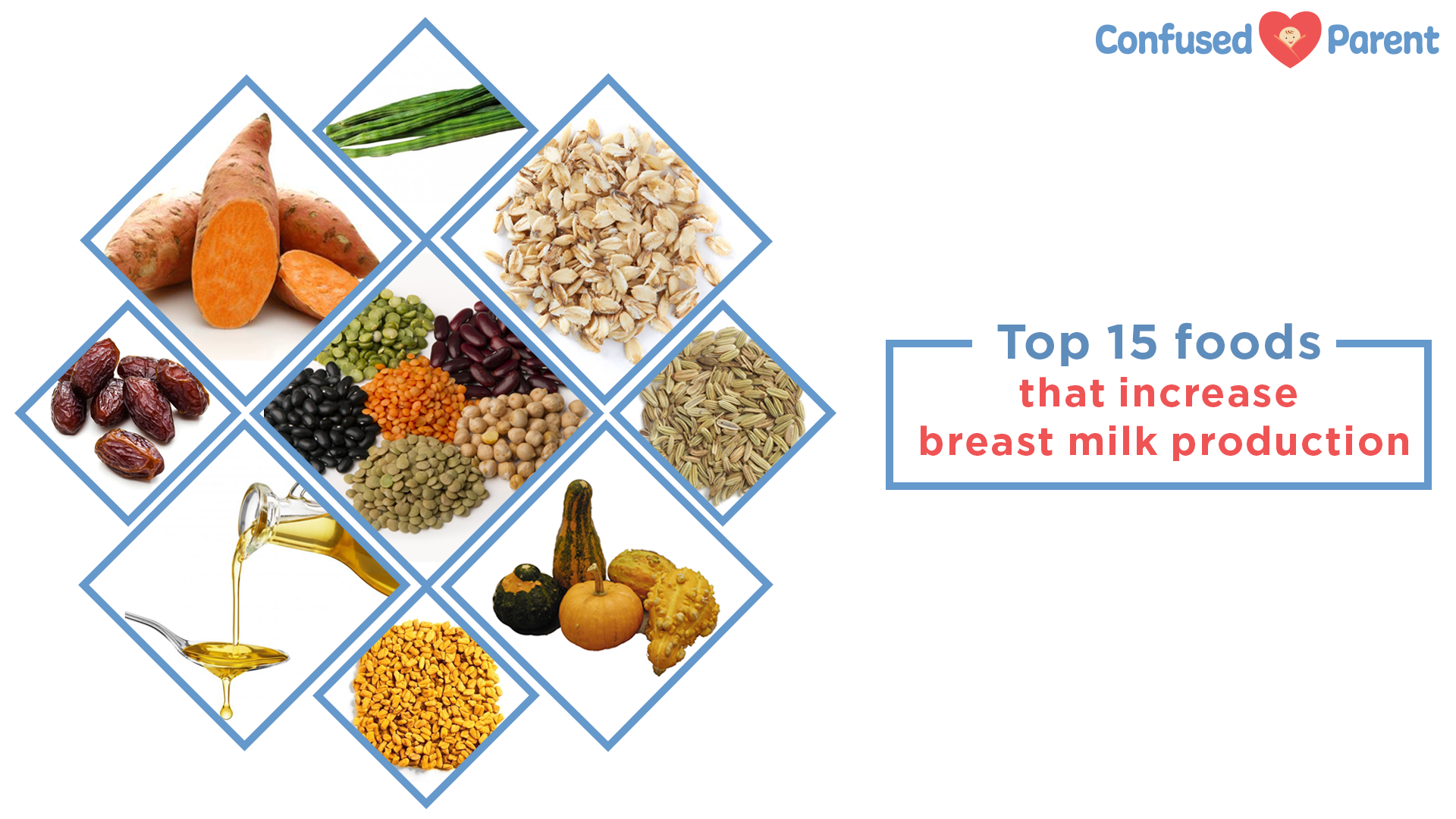
Top 15 foods that increase breast milk production

Top 15 Foods That Help In Increasing Breast Milk Production

One of the main benefits of breast feeding is that it gives you immense time to bond well with your baby. A bonding that is unexplained & irreplaceable. Make the most of this time. Because, soon time will fly. Your little infant will soon grow up to be a naughty kid spending most of time at school; and you will surely miss these moments of looking at each other and exchanging sweet little smiles. So cherish every moment spent with your little one. Go ahead & read the Top 15 foods that increase breast milk production.

You can also read on the Benefits of Breast-Feeding.

How To Boost Breast Milk Production?

The best way to boost production of milk is undoubtedly to keep nursing your baby. The more your baby nurses the more your body produces milk. Every mother wants to render the best possible nutrition to her baby. She is constantly worried about the insufficient milk production when she sees her baby crying all night. But, it is not necessarily not due to low milk supply. It might be due to colic pain, an infection or mild pain in any part of the body. However, if your pediatrician confirms that your baby needs to be introduced to formula foods, worry not. Feed your baby with healthy foods to build a strong immunity in it’s formative years.

You can also read on the Best Breast Pumps In India.

How Does Lactation Occur?

As your infant nurses on your milk, the act of sucking sends a signal to the brain to release oxytocin (a hormone that releases milk). This hormone flows through the blood vessels to reach the mother’s breast. Then, prolactin causes the milk to release through the breasts.

Foods that promote milk production are called “Galactagogues”.  These vegetarian lactogens listed below are tried & tested and works well with most women. Since they are easily available at home, they are absolutely safe for consumption.

Water

When you are breast-feeding your child, it is a pre-requisite to be well hydrated. Drinking atleast 2litres of water everyday helps boost production of milk. As it comprises of 90% water, you need to consume more water especially during summers. It is obviously easy to overlook the importance of drinking water as you maybe busy with your chores & taking care of your baby’s essential needs.

Garlic

It is an age-old tradition to introduce garlic in the meal plan everyday. Apart from the tremendous health benefits like boosting the immunity for the mother & child, garlic can also cure various diseases like cancer & infections. 2-4 pieces/pods of Garlic can help boost milk production. You can use it in side dishes/curries, rice, rasam and soups.

Note: If your child is suffering from Colic, you should avoid garlic.

Cumin Seeds & Carom Seeds

Calcium rich cumin seeds (jeera) aids in digestion, boosting immunity & prevents bloating & constipation. Cumin seeds form an integral part of Indian curries adding great taste, aroma & flavour. You can use it in making sundal, curries/side dishes, in rotis or snacks. 1 tbsp of Cumin seeds should suffice the daily intake to increase lactation. “Carom Seeds” or “Ajwain” is also a fantastic herb that helps in relieving gastric trouble by boosting digestion in both mother & baby. It can be soaked overnight & consumed on empty stomach early morning or can be put in parathas or curries. 1-2 tsp a day is normally recommended to boost breast milk production.

Green Leafy Vegetables

No news that Green Leafy Vegetables are among the Top 15 foods that increase breast milk production. Fenugreek leaves (methi), drumstick leaves(morangi), spinach (palak), broccoli, kale and beet leaves are all packed with calcium, vitamins, folate & iron that stimulate milk production. Ensure this is a part of your daily diet. The greens are great anti-oxidants that help to strengthen your baby, fight anemia & also prevent cancer. Beware too much spinach can cause diarrhea in your infant. You can also sun dry these leaves and store for ease of use in your daily food. Eg. Sun dried drumstick leaves can be stored for over 3 weeks. You can add it to your parathas or curries.

Oats

Fibre rich oats not only helps knock off those extra calories but also lowers cholesterol & blood pressure & helps in stimulating the production of milk. You can add almonds, raisins & walnuts to add to the taste. Make oats porridge, oats cookies or oats dosa to make your meal healthier. Add a dash of pumpkin seeds & flax seeds to make your meal a “Super Meal” packed with goodness of proteins & essential nutrients. Roasted pumpkin seeds can be consumed as an evening snack, in salads, breads or energy bars.

Carrots

Satisfy your hunger pangs by munching on potassium rich carrots. Carrots are high in alpha & beta-carotene & Vitamin A. Eating frequent healthy snacks also helps in shedding the baby fat that has been accumulating over the last 9 months. Carrot juice is a great detox on empty stomach, besides using them in your normal cuisine.

Nuts / Dry Fruits

A lactating mother can indulge in binge eating when she is stressed about juggling between the house chores, nursing her baby & career. Nuts like almonds, walnuts, cashews, munakka(sultana currants) soaked in water, dates & macadamia are excellent sources of anti-oxidants & good carbohydrates that are satiating. The amino acid rich nuts foster the production of serotonin in the mammary glands, which is essential for the neurotransmission while nursing. Almonds contain Vitamin E (helps in reducing post pregnancy stretch marks) & Omega-3 (which is a must for vegetarians) making them great snacking options or as flavouring substances in milk, milkshakes & sweets.

Chia Seeds & Poppy Seeds

Chia seeds are rich in protein, fiber,  and omega-3 fatty acids which help boost baby’s brain development. Poppy Seeds help in calming & destressing the mother. Poppy Seeds are used in desserts, garnishing the bread & salads. Chia seeds can also be used in bread or mixed with curd – they aid in digestion & constipation.

Note: Both Chia Seeds & Poppoy seeds should be consumed only 1 tsp a day as they elevate body heat.

Sesame Seeds

It’s time to make the delicious Til (sesame seeds) ke ladoo & chikki as these seeds are rich in calcium & are great natural lactating supplements. There are two variants – Black & White Sesame Seeds which hold high nutrition value. Besides laddoo, Sesame seeds can also be used salads, desserts and preparation of hummus.

Gourds

Bottle gourd and Ridge gourd are light on the stomach as they comprise of water and fibre. Lauki or bottle gourd with high water content will keep you hydrated & control glucose level in your body. It is easy on the stomach & helps in lactation. Indian households use this vegetables to make side dishes with onion & tomato. Lauki is also good to keep knee pain & BP at bay. BitterGourd is also another vegetable which is consumed to keep Diabetes at bay as it lowers blood glucose levels & acts as a great detox for the body. Bittergourd juice along with bottle gourd is the perfect combo to shed excess weight & promote lactation in women. No surprise that these gourds made it to the list of the Top 15 foods that increase breast milk production.

Legumes or Daals

Daals form an integral part of the Indian cuisine. Chickpeas for example is pumped with calcium, vitamins & fibre. Sprouted legumes tossed with raw veggies like tomato, onion & cucumber serve as fantastic snacking options. Legumes are power houses of potassium, zinc, dietary fiber, lean protein and iron. Masoor dal, soya beans, black-eyed beans are great picks.

Fenugreek Seeds

Methi or Fenugreek seeds are packed with iron, vitamins & protein. Soak them in water for few hours before consuming the same. You should consult your doctor if you have hypoglycemia, any allergies, asthma or hypothyroidism before consuming fenugreek seeds. They also aid in improving the texture of your hair. Methi seeds soaked overnight helps expedite weight loss & keeps cholestrol & BP in check.

Desi Ghee / Oil

Yes, You heard it right. If you are traumatized with your weight gain during pregnancy, do not refrain from consuming desi ghee or oil. Incorporate the healthier ones like olive oil, coconut oil & ghee. Avoid canola oil, palm oil & corn oil which will add to the bad cholesterol. Fatty food is almost as important as fibre in your diet. It works like oil for machinery (ensures smooth running of the body organs). But, ofcourse, in limited quantities.

Fennel Seeds

Saunf or fennel seeds are often offered as a post dinner delicacy & mouth freshener to aid digestion and also prevents bloating of stomach due to the formation of gas. The phytoestrogens in fennel seeds acts as a good galactogogue when taken in limited quantities. You can also accompany them with dill seeds (sua) which also promote digestion. It’s definitely among the Top 15 foods that increase breast milk production.

Drumstick

It is a power house of calcium & iron which helps in strengthening the bones & nervous system. Drumstick leaves, veggie & flowers are all very nutritious that can be had as a main dish an accompaniment with your roti or rice.

Sweet Potato

These are packed with Vitamin A & B Complex. An average sweet potato has about 1400 mcg of Vitamin A which boosts the milk production & regulates hormonal imbalance if your are stressed out with the post-partum depression. Poriyals, soups, puddings, curries are common ways you can use sweet potato in your diet & your infants/toddler’s diet.

Ginger

This is a “super food” that helps in curing common cold, cough, vomiting & other infections. Apart from promoting digestion and ginger also boosts the breast milk production in new-mommies. Ginger teas, cookies and curries are the best way of incorporating “adrak” in your diet.

Dates

Artificially unsweetened dates work wonders to revive your RBC’s after the blodd loss during delivery. Calcium, potassium, vitamin & iron rich, dates are naturally sweet – indulge guilt-free to satisfy your mid-meal hunger pangs. Dates are used in desserts, syrups, puddings & burfis. Black unsweetened dates are the favourite among women.

Avocados & Apricots

Avocados are superfoods for pregnant & lactating women. Packed with “good” calories, this fruit makes up for the loss of energy & “good fat” caused due to frequent nursing sessions. Apricots, can be consumed fresh or dried as a snack if you have a sweet tooth. They can be pureed and used as a spread on bread or in desserts.

Foods to avoid while breast-feeding

This image has an empty alt attribute; its file name is breast-feeding-foods-300x200.jpg

While there is an extensive list of foods to be included in your post pregnancy diet, there are also certain foods that are best avoidable. These foods are gaseous by nature that can cause flatulence and discomfort. Avoid foods like cauliflower, cabbage, potato, raw banana (or unripe banana), raw mango (or unripe mango), coffee & alcohol.

It may also interest you to read –
Best Stertch Mark Removal Cream In India

Best Formula Foods For Kids In India

Benefits Of Breast Feeding

Benefits Of Breast Feeding

This blog will help you understand the benefits of breast feeding better & help you make the right choice for your baby. A new mother is often bombarded with several “to-do’s” and “not-to-do’s” when she announces her pregnancy. And the list only extends once she announces her delivery. People strongly advocate exclusive breast feeding the child for atleast six months. Albeit there are some who would recommend you to introduce water, milk & other formula foods earlier than what doctors suggest, it is solely at your discretion to follow your heart.

You can also read on the Top 15 Foods That Help In Increasing Breast Milk Production

Well, for those who have already passed this stage of raising toddlers & trudging back to normalcy after spending painful sleepless nights with sore nipples, the next few minutes will delight you as a proud parent & reinforce your belief that you have rendered the best possible nutrition to your kid.

The following benefits will convince one that mother’s milk is a lifetime treasure that only a mother can give to her darling child. This can be continued until about 2 years along with gradual introduction of foods in the palate. However, due to some unavoidable circumstances or health issues some babies cannot be exclusively breast-fed & formula foods have to be introduced early in life. So, do not fret. Do not worry. What your baby requires the most is abundance of love & care – which every mother does. Look at the brighter side of things & give the best possible nutrition through other means.

It may also interest you to read on the Best Formula Foods For Kids In India.

For better understanding let’s segregate the benefits of breast-feeding into two different categories –

  1. For the baby
  2. For the mother

Benefits of breast-feeding for the baby

Best food for the baby

Mother’s milk has all the essential nutrients in the right proportions to ensure overall development of the baby. While cow’s milk has higher fat content, thus accelerating growth, it is difficult to digest & can induce the possibility of infections & indigestion in the baby.

Builds immunity

A new born child is vulnerable to infections although the family takes many precautions to protect the child. Breast milk is loaded with anti-bodies to fight most infections that an infant encounters in the formative years of it’s life. Rich in WBC’s (White Blood Corpuscles), it can devour harmful germs & bacteria that might cause diseases or infections. Colostrum, which is the first form of milk produced during pregnancy & early stages of delivery is an indispensable meal for your new born. Immunoglobulin (IgA) protects the baby against viral infections that may cause sudden death in infants (SIDS).

Promotes digestion

Mother’s milk is very easy to digest & contains healthy bacteria in the intestinal tract and gut which aids digestion. It acts like a natural laxative which helps combat gastric problems, flatulence, diarrhea & constipation when semi-solid & formula foods are introduced early in life.

Hormonal Balance

Breast milk has all the hormones in the right proportion to help living a healthy stress-free life. It contains hormones that contribute to the well-being of the baby. It is difficult to deal with hormonal imbalances later in life which maybe a ripple effect of that caused in the early stages of childhood.

Wholesome Meal

Mother’s milk is a wholesome meal for your tiny tot. At the onset it is slightly watery(fore-milk) but as the baby starts drinking gradually, it gets thicker(hind-milk) which fills the baby’s stomach. The nutrition derived from breast milk is better absorbed & better digested relative to top-foods.

Dealing with diseases/health issues

It is scientifically proven that those children who are breast fed are healthier than those who are not. Allergies, asthma, reduced ear infections, lactose intolerance, celiac disease, skin infections, cavities & other ailments like obesity & diabetes are curbed if the infant is breast-fed. These children are also shielded from cold, fever & pneumonia as well. Can it get better?

Builds a healthy appetite

A child learns to acquire a taste for most foods since the baby gets introduced to a myriad of flavours through mother’s milk. Hence, it is important for the mother to incorporate a variety of healthy foods in her diet.

Manage hunger pangs

For ideal weight & growth of the baby, he should drink milk only as much he is hungry. When a baby is on formula foods, we tend to over-feed our child. Over-feeding the baby may cause indigestion, obesity, vomiting & other related problems.

Say Cheese 🙂

As your baby keeps drinking milk, the movement causes ideal development of facial muscles & perfect alignment of upper & lower jaws. So, say cheese to a beautiful smile & healthy wee-aligned teeth.

Brain Matters

It is proven that exclusive breast fed children have a higher “Intelligence Quotient” than those who are not. And this is simply because the baby derives all the essential nutrients from the mother’s milk which is quintessential for the over-all brain development of the child in it’s tender years.

You may also want to read on the Best Breast Pumps In India.

Benefits of breast-feeding for the mother

Benefits of breast-feeding for the mother

Mother-Child Bonding

They say a new born-child learns two things from the womb – drink milk from it’s mother’s bosom & suck it’s fingers(thumb). Breast feeding creates an unexplained, irreplaceable & unconditional bond with your child that makes your child feel protected & loved.

Post-pregnancy weight loss

It may interest you to know that a woman burns about 2 calories every 3ml milk fed to the baby. Thus, if the weaning mother feeds about 600ml everyday she is burning a whooping 400 calories everyday.  While the so-called “figure-conscious” women are apprehensive about feeding the baby fearing a big torso or breast, the fact remains unchanged that breast feeding helps in weight reduction. The act of breast feeding releases “oxytocin” which causes the uterus to contract by about 40% faster than those who do not.

Health benefits for the mother

Breast feeding can prevent breast & ovarian cancer and osteoporosis in women. The body tends to absorb calcium more efficiently & hence the bones get denser & stronger gradually. As mentioned earlier, it converts carbohydrates & fats into nutritious milk which helps in weight-loss & checks diabetes & obesity later in life.

Much needed relaxation

Since the baby is breast-fed frequently at short intervals, although tiring at times, this ensures the mother is given some rest to peacefully feed the child. Also feeding your baby with formula foods & juices is more time consuming. And think of the mess, sticky bibs & those incredibly cute but anxious fingers reaching out for the bowl, kicking things around which eventually lead to a sponge bath & a change of dress; which obviously requires a lot of effort & well, the unconquered clock keeps ticking.

Pocket-friendly

Well, nurturing a child can get heavy on the pockets at times. While formula foods are getting expensive by the day, it is more economic to breast feed the baby. Formula foods can cost 3000 to 4000 every month. Although, the mother has to incorporate healthy fruits, veggies & nuts in her diet to ensure sufficient & good quality milk production, this will only benefit her over-all well-being & aid in faster recovery.

Delays menstrual cycle

Breast feeding can delay periods upto 6 months or more in some cases. The hormone “prolactin” is produced while breast feeding act like a contraceptive & ensures the occurrence of accidental pregnancy ruled out. While juggling between house chores & nurturing a toddler who is hands-full, life can’t get better when we don’t have to deal with the mood-swings, irregular periods, profuse bleeding, prolonged periods & anything that one would expect post-pregnancy. Life is good. Isn’t it?

Dealing with bad odours

Mother’s milk is so pure that the baby poop of an infant who is exclusively breast fed hardly stinks. Once you start the baby on formula feed, the feces start giving away smelly odours & is a lot more thicker (semi-solid) which is difficult to clean (can’t really ignore the soiled nappies).

And let there be happiness 🙂

To some, this maynot be a tangible, real benefit. But, it is indeed one of the most important benefits of breast feeding. Feeding the baby gives the mother a feeling of satisfaction, of contentment, of pride & of happiness. An unmatched feeling of empowerment that she is able to give her child the best possible nutrition. When the mother is relaxed the production & flow of milk is regulated. Under stress, the hormones play a whimsical game & hamper with the production of milk. So, enjoy your motherhood. 🙂

Hassle-free nutrition

There is nothing more convenient than feeding your baby. No sterilization, no mid night boiling, no necessity to carry a dozen containers & feeding essentials while travelling. You can simply feed your baby anytime – no risk of infections.

Tailored to baby’s requirement

It’s a miracle that mother’s milk is adaptive to the child’s hunger & growth. The colostrum is high in protein. Gradually the milk becomes high in sugar, protein & volume to meet the demanding requirements of the baby.

You can also read on the Best Stretch Marks Removal Creams In India.

Can Breast Feeding Mothers Take Medicines?

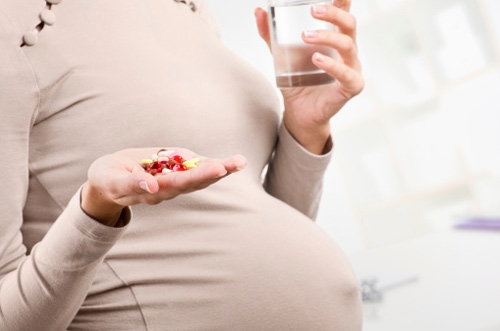
It’s true that drugs present in your blood will get into your breast milk. However, the quantity that gets transferred defers from one medication to another. In most cases, medications have low levels of transfer; but like all things, there are some exceptions. These exceptions get concentrated in your breast milk and may even affect your milk supply. This means you may have to consider each drug separately. Make sure to check with your healthcare specialist before taking over-the-counter medicines or prescriptions.

Cold Medicine While Breast Feeding

The age and health factor

Newborns, premature babies, and medically unstable babies or infants having poorly functioning kidneys are at the greatest risk of being affected by medication in breast milk. However, if you use the medication in the first three to four days after childbirth, it will be transferred at very low levels to your baby, owing to the limited quantity of milk you’re producing. Healthy babies who are 6 months and older are at the lowest risk as they can metabolize drugs efficiently.

Furthermore, women who breast-feed their children more than a year after childbirth produce lesser milk, and subsequently, the amount of medication transferred to milk is reduced.

Medication, breast-feeding, or both.

While most medications are considered safe, a few may not be recommended during breast-feeding. Sometimes, it is very important that you continue your medication; however, if you must breast-feed your child, your healthcare specialist will prescribe a safer alternative. Otherwise, you will be advised to continue breast-feeding only when the medication is at a low level in your milk. You may be advised to take your medication just after feeding. The instance where your doctor may forbid you to breast-feed temporarily or permanently is very rare and usually depends upon the duration for which you need to take medication.

confusedparent

Store it away for a later day

If your doctor has suggested that you may have to stop breast-feeding and shift to bottle-feeding for a while, don’t panic. Use the time to store away your milk using a breast pump. Do not use the milk that is pumped while you’re on your medication. However, you may consult your doctor to know if your medication is harmless. Until you do so, label the container of your milk and store it separately.

If, after all these measures, your little one shows signs of having a reaction, you must inform your doctor. The signs and symptoms to watch out for in your baby include fussiness, rashes, or a change in eating and sleeping habits.